Slovak castles
The castles of Slovakia stand witness to earlier eras:
- when the picturesque fortresses formed the last line of defence against various invasions from east and southeast in the middle ages
- when they help troops ready to tear each other apart during the Reformation’s internecine wars
- when the nobility simply wanted to keep its people in line
- when the aristocracy of more recent centuries simply wanted to show off
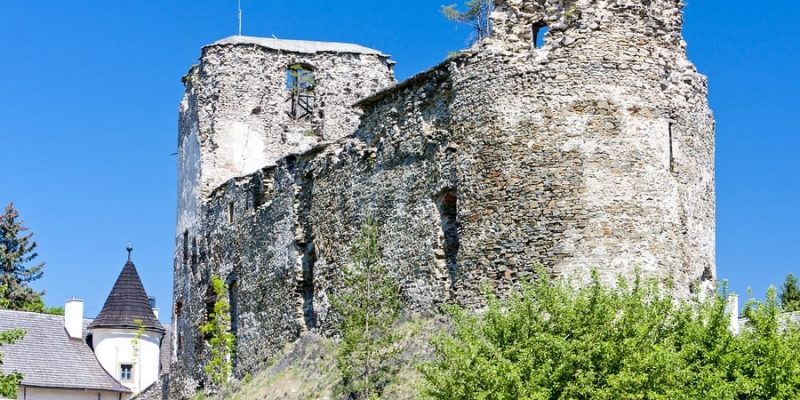
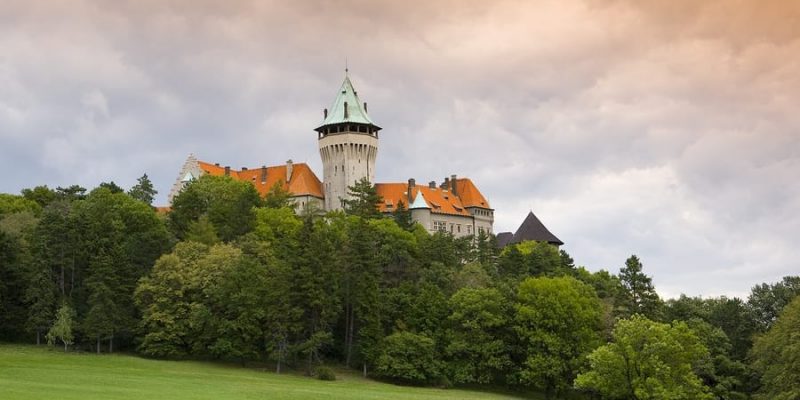
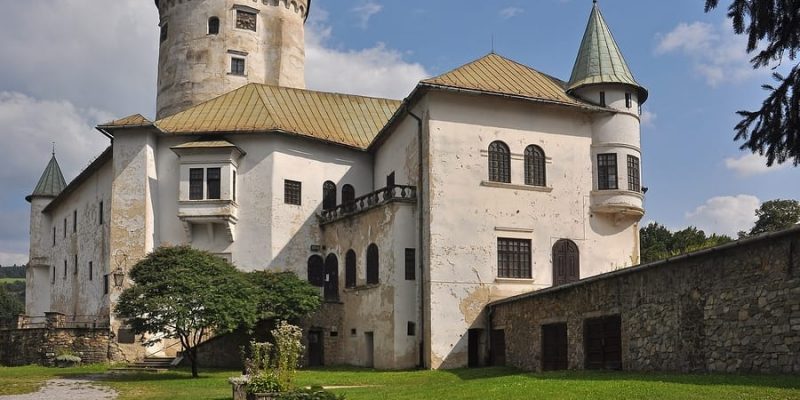
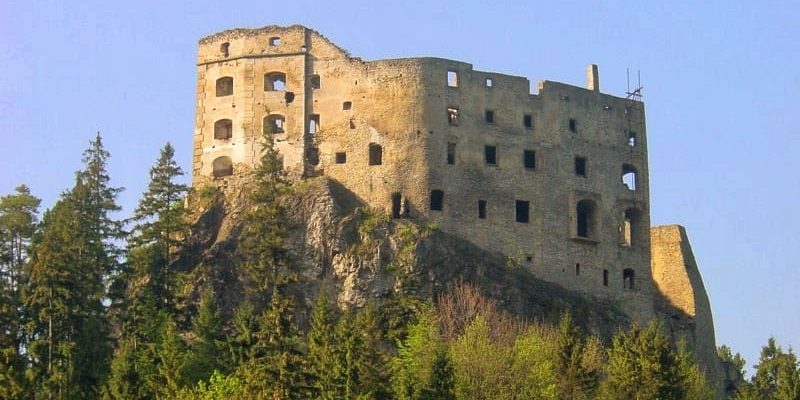
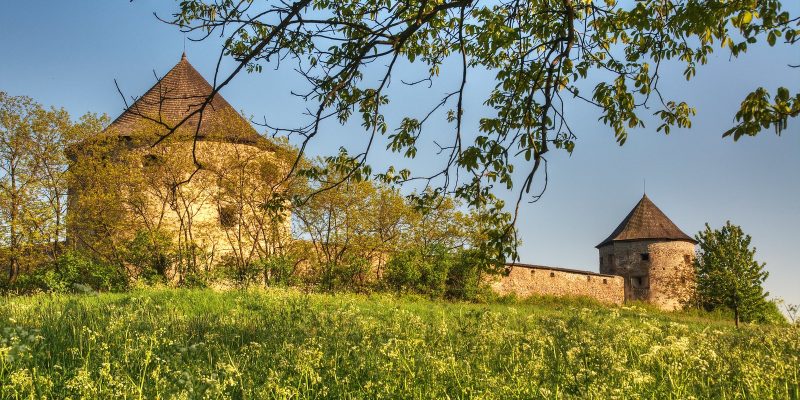
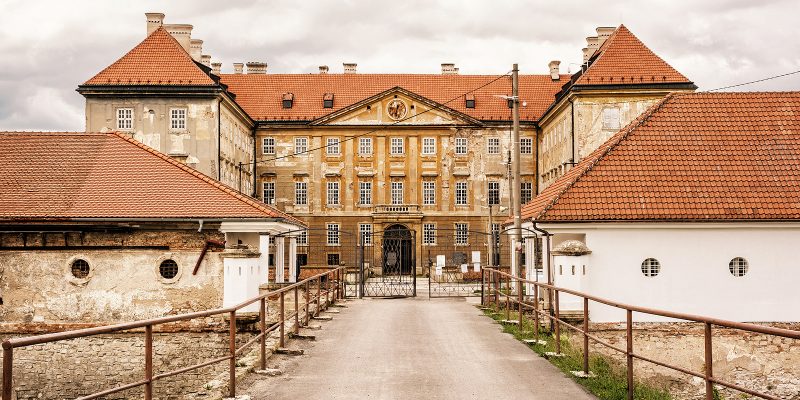
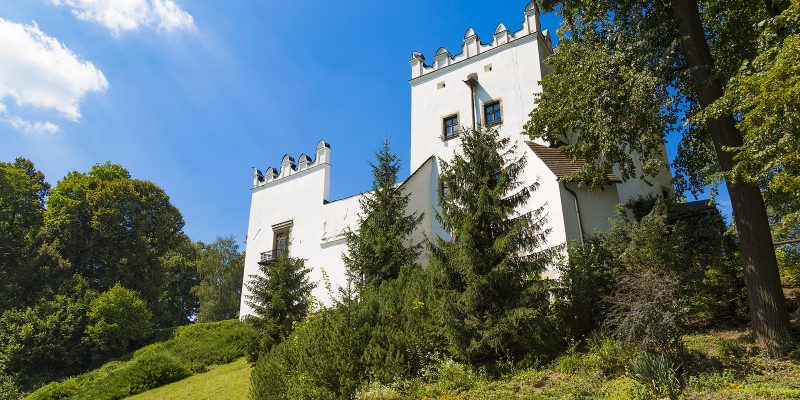
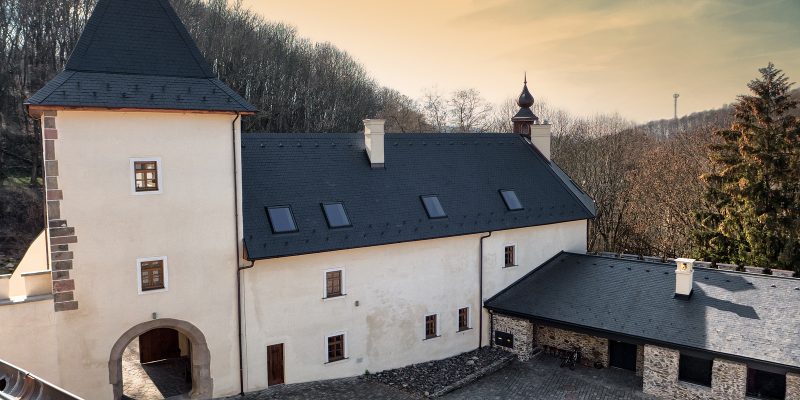
Beautiful exemplars of all periods and purposes abound here, some as eerie ruins and others as fully restored museum pieces. Never are you further than an easy day trip from a castle worth seeing. The following gives details on some of the country’s best-known castles.
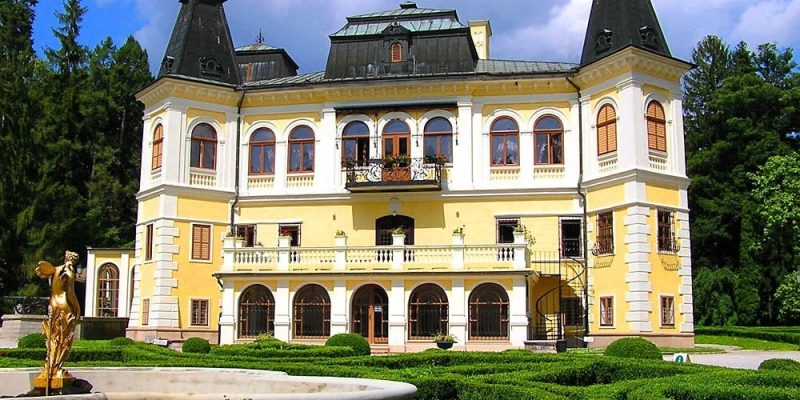
Bojnice castle
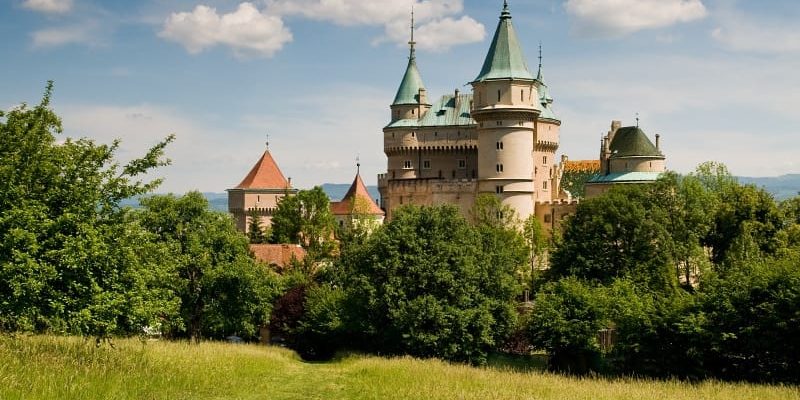
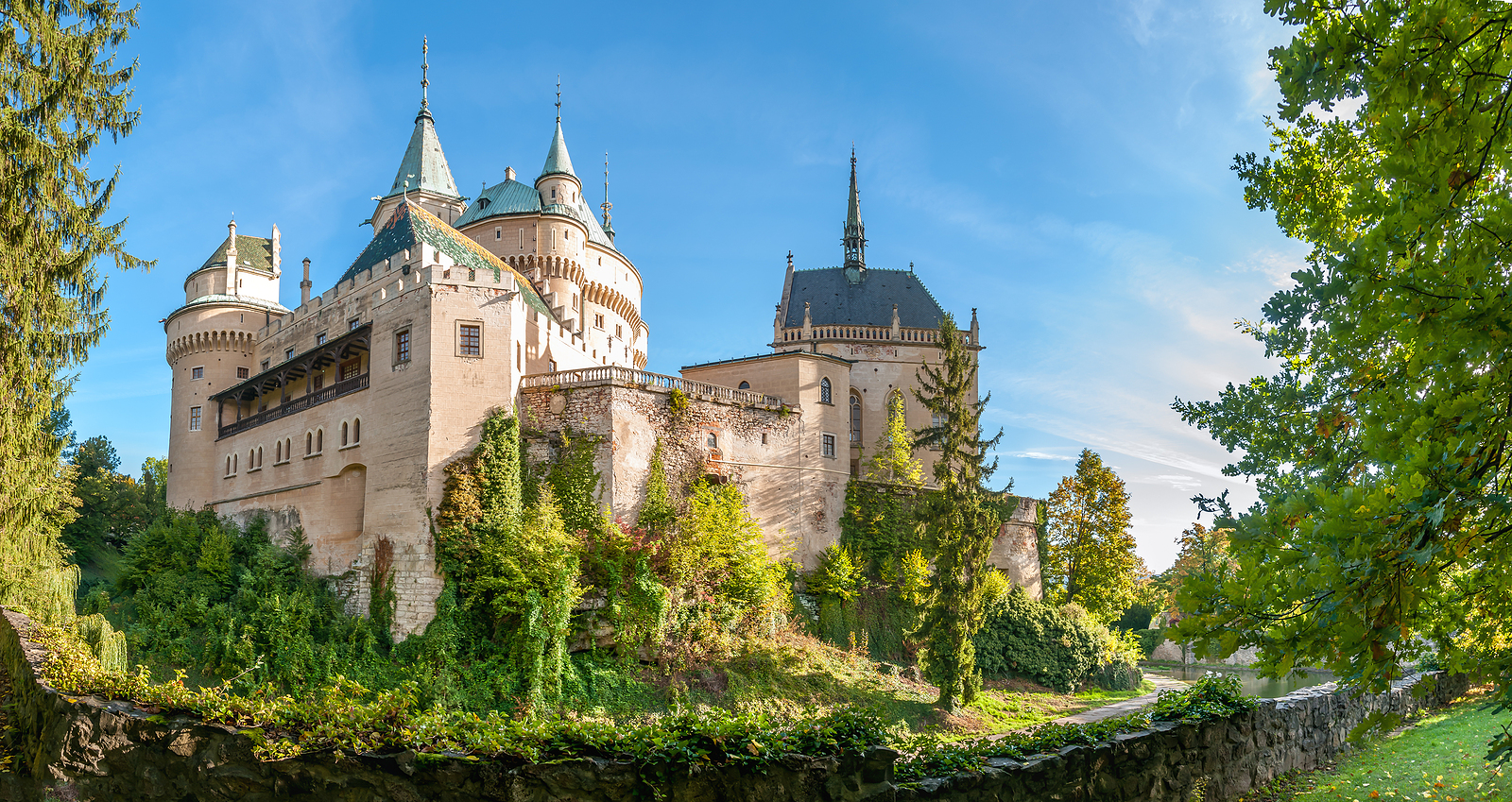
Slovakia has dozens of intact castles worth a visit, but Bojnice has probably been restored with more gusto than any of them. Activities for children (but not only for children), a functioning zoo and health spa and extensive grounds make this a lively place to visit. The history of the castle dates back to at least 1113, and in the 19th century the owners made it the seat of a fabulous collection of furnishings and artefacts. Tucked away in the hills of central western Slovakia.
Bratislava castle
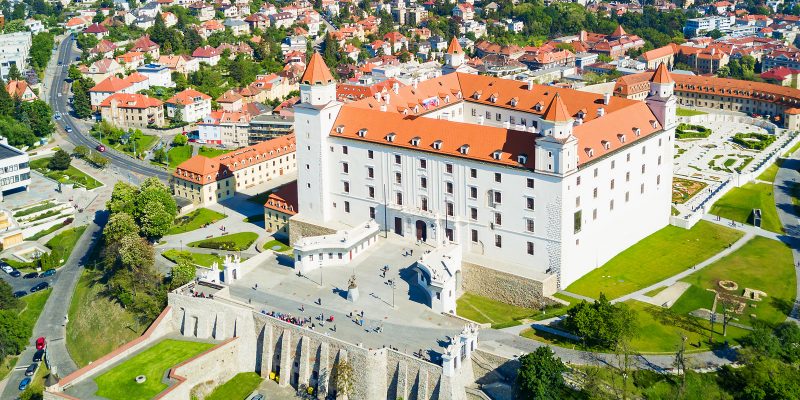
The oldest surviving remnant, a basilica on the lawn facing Bratislava's Old Town, dates from the 9th century. This predates the first record of fortifications on this hill, in the Salzburg Chronicle from 907. This record notes the proprietor as one Brezalauspurc, a prince of the Moravian Empire that was soon to peak and collapse. It was expanded to its approximate present-day extent in the 15th century for the use of Emperor Sigismund of Luxembourg. About 200 years later, the aristocratic Palffy family completed extensions that make for today’s “upside-down table” appearance of four peaked corner towers. In 1811 a fire in what was then a barracks left the castle an abandoned hulk, and restoration was to start only in the 1950s. Serving briefly as seat of government for independent Slovakia in 1993, the castle today serves as museum and special events venue, notably as the site of the Bush-Putin summit in February 2005.
The castle dominates the centre of Bratislava, towering over the second-highest point of St Martin’s cathedral spire. You can reach it via a brief but stiff uphill walk from Old Town, passing several centuries’ worth of gorgeous town houses along Zidovska Street and others. It is also a short trolley-bus ride from the Presidential Palace, or a taxi ride. Parking is rather scarce, particularly while parliament is in session in its newly-built venue adjacent.
Cachtice
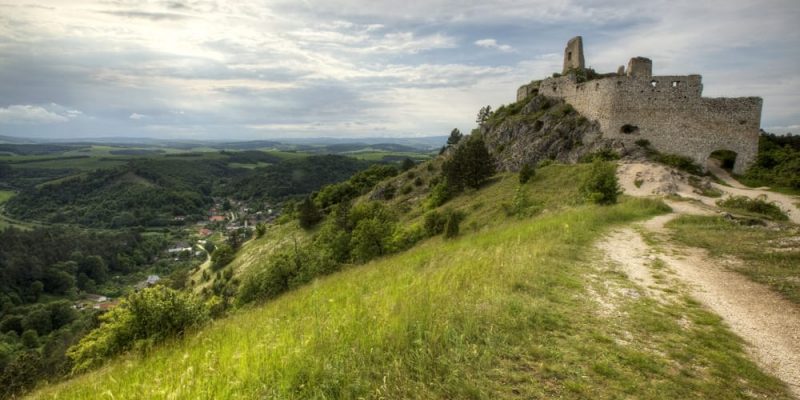
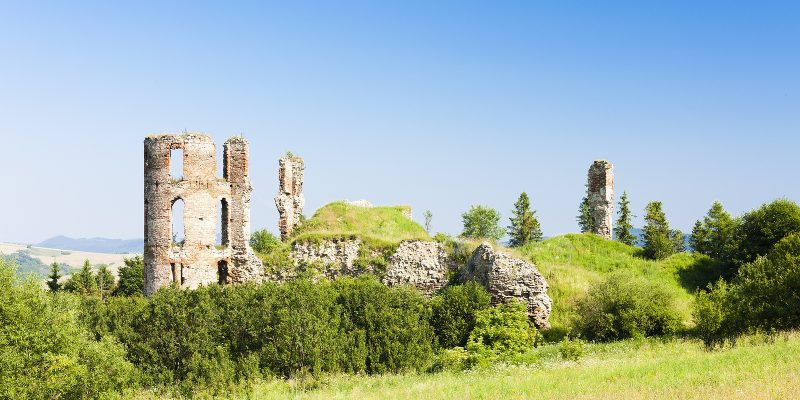
Most people think of Cachtice (pronounced CHAHK-tee-tseh) in connection with its Dracula-like 16th-century countess. Her gruesome story of slaughtering servants one by one is part legend but in part substantiated by historical documents. This castle once formed part of the Hungarian kingdom’s anti-Turk defenses in the late middle ages. In 1708, it was seized and torched by anti-royalist rebels, left to decay into the ruins we find today.
The castle is located not far from the western Slovak town of Nove Mesto nad Vahom (with good car and train connections to most of Slovakia). By train, change to a local connection to the village of Visnove, then hike up a very steep trail to the ruin. If you’re traveling by car, an alternative approach is a more gradual walk of 3 km from the town of Cachtice.
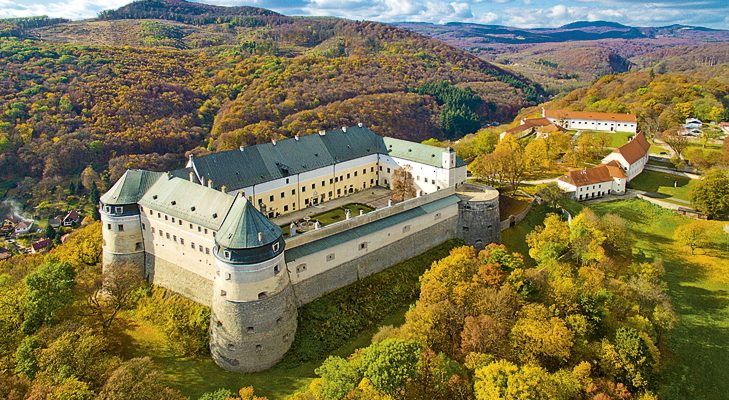
Cerveny Kamen
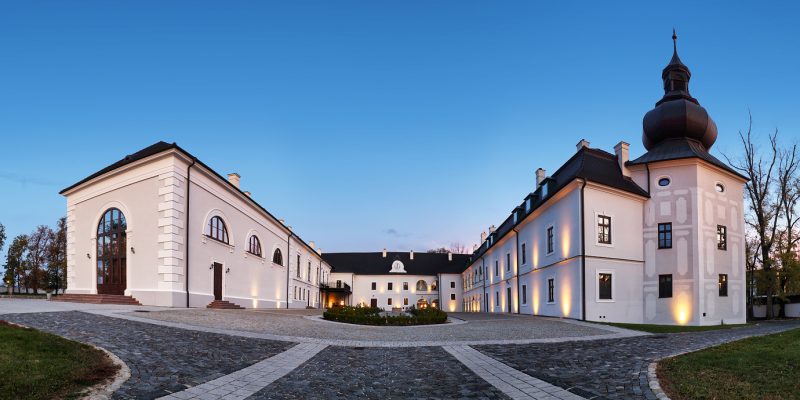
Site of a medieval castle that was gradually pulled down, Cerveny Kamen (pronounced CHER-ven-ee KAH-men) retains that castle’s name (from “Rothstein” in German, meaning “red stone”). The extant castle dates from the 16th century, and was designed by the Thurzo family primarily as a home with a large and defensible built-in storage area for valuable goods. However, due to a change in fortunes partly due to the expense of building the place, it was soon sold to another aristocratic family. It became the family seat of this family, the potent Palffys, and for this reason was damaged in the rebel uprising of 1705. Frequently restored over the centuries, today Cerveny Kamen houses a remarkable exhibition of furniture and furnishings in its many rooms.
For most travelers, the only reasonable access is by car via the village of Casta, about 35 km from Bratislava. Intrepid hikers may want to take a one-hour intercity bus to Casta from Bratislava or Trnava, and walk the last uphill stretch for about half an hour.
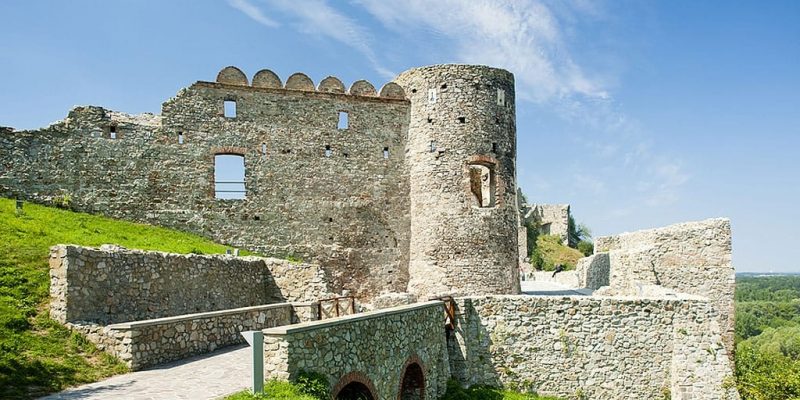
Devin
The strategic value of a hill-top fort at the confluence of two navigable rivers (the Danube and the Morava) will be clear to you at first glance – it is understandable why this was a prized location for about a thousand years, until Napoleon’s army put it finally to ruin in 1809. Its first-recorded mention is from 864 as “Dowina”, as part of the up-and-coming, if short-lived, Moravian Empire. Many additions and modifications over the centuries mean that Devin (pronounced DEH-vin) can offer visitors many layers of history, spread widely over its knoll.
Officially part of the city of Bratislava, Devin is a 15- or 20-minute ride from Old Town by car or city bus (with frequent departures from the Novy Most bus stop). In summer months, river boat connections run to downtown Bratislava and to nearby Hainburg in Austria.
Krasna Horka
The castle of Krasna Horka was constructed in the early 13th century, probably to stand guard over nearby mines, and passed through a number of aristocratic Hungarian families. Then from the 16th century onwards it remained in the hands of the influential Andrassy family, which substantially modified it, first as a successful stronghold against Turkish incursions and later as an impressive manor home. Today it houses an extensive restored museum.
The castle is situated near Roznava, an hour’s travel from Kosice or the Slovak Paradise, or two hours from the High Tatras. The best public transport connection is from the town of Roznava (accessible by train from Kosice and the west) by local city bus. Car park directly by castle.
Pajstun
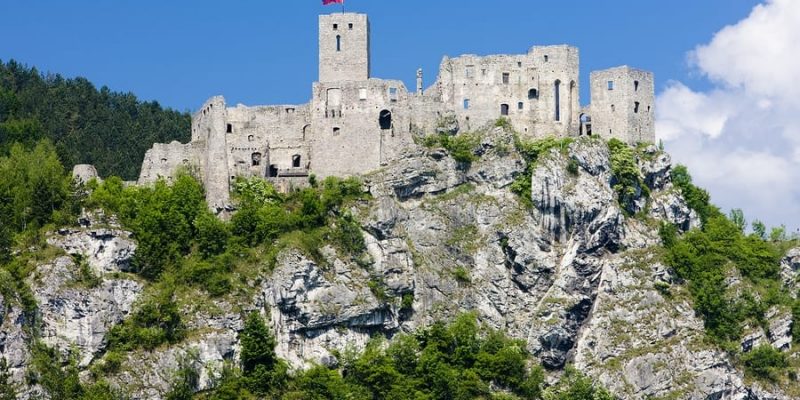
Built in the 13th century on an isolated knoll far above an out of the way village, the chief identity of Pajstun (pronounced PAY-shtoon) was as part of a chain of medieval fortresses forming a distant early warning system along the border. From one castle to another, over great distances along Slovakia’s southern foothills, signals could warn of invaders and call for help. Its ownership passed through several noble families, and Napoleon’s army permanently disabled it in 1809.
The castle lies atop a forested hill: a moderately demanding one-hour uphill walk from the village of Borinka, or a longer and more leisurely walk from the town of Stupava (both reachable by car or intercity bus from Bratislava, though bus connections to Borinka operate only a few times every day).
Spis castle
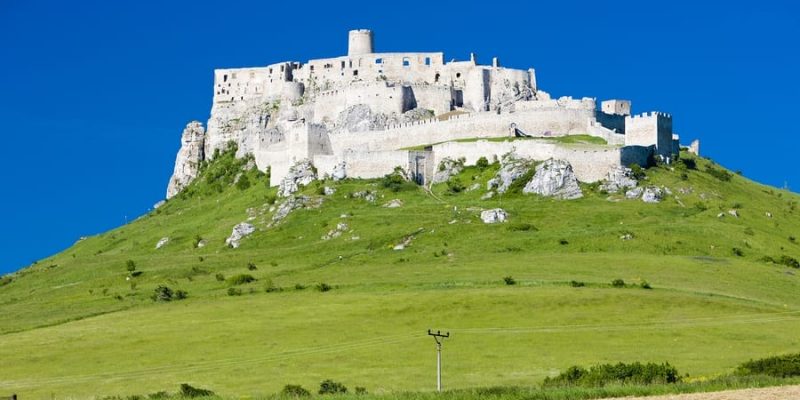
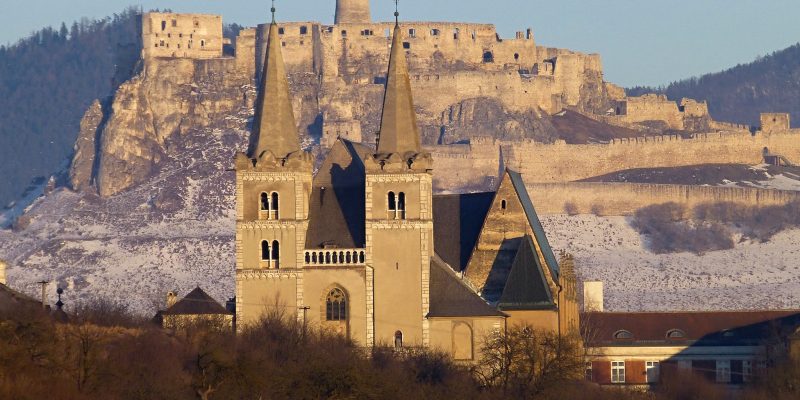
Spis (pronounced SPEESH) boasts one of the few castles that effectively deterred Tatar raids, even as surrounding settlements were wrecked by them. Dating from 1120, the castle was reinforced in various periods, serving notably in the Reformation wars under Hussite leader Jan Jiskra. Gradually, the castle became more of a show-place for owners from a series of aristocratic owners, until a careless fire gutted it in 1780. The four hectares of splendid ruins underwent restoration in the 1970s and today are generally accessible and include a museum.
Because it’s a bit off the beaten track, the simplest route to the area is by car, to the village of Spisske Podhradie, about halfway between Presov and Poprad. If you’re dependant on public transport, Either way, it’s a good day trip from Kosice, the High Tatras or Slovak Paradise.
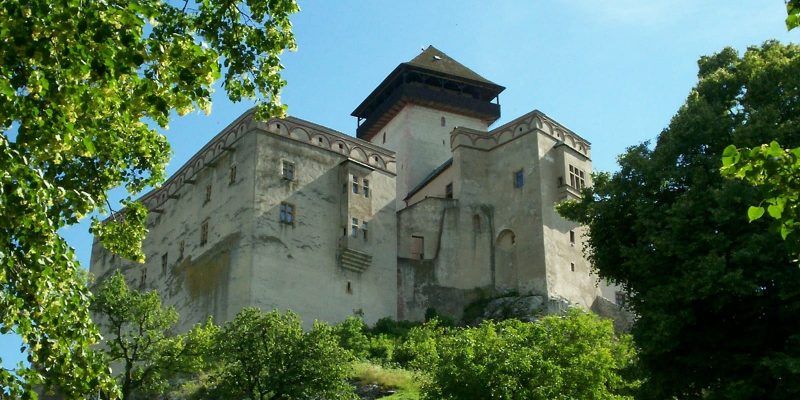
Trencin
A Roman regiment left an extant mark here, calling their military encampment “Laugarito”, though it is not known whether they made use of the strategically prominent crag on which the castle now stands. First mentioned in 1067 as a royal Hungarian sentry fortress, it was gradually augmented until by the 15th century it dominated the northern reaches of the Hungarian Empire. Among its chief features is a well 80 meters deep.
Once you get near the regional seat in the western Slovak town of Trencin (pronounced TREN-cheen) by car, bus or train, you can’t miss the castle overhanging the old town square. The train-and-bus station is a pleasant walk of under a kilometer from the castle entrance, after which there’s a short, steep uphill climb. Parking is much easier just outside of the town centre.
|